



Proven Techniques for Boosting Residential Locksmith Security

Updated: Apr 30
Have you ever wondered just how secure your home really is? When was the last time you actually checked whether your locks could withstand a determined intruder? And here's a thought – could a burglar get through your front door faster than you can find your keys in your bag?
These aren't questions designed to keep you up at night. Rather, they're the starting point for understanding something crucial: your home security genuinely starts at the door. For residents across St Kilda and the wider Melbourne area, taking a closer look at your residential locks could be one of the smartest moves you make this year. After all, most break-ins happen through doors and windows – the very entry points we often take for granted.
In this guide, we'll walk you through proven techniques for strengthening your home lock security. You'll discover how to assess your current locks, explore high-security upgrades, and learn when it makes sense to call in a professional locksmith in St Kilda. Whether you're dealing with an older property or a modern apartment, there's something here for everyone. Let's get stuck into the details and help you protect what matters most.

Understanding Your Current Lock Situation
Common Types of Residential Locks in Australian Homes
Australian homes typically feature a mix of lock types, depending on the property's age and previous upgrades. Deadbolts remain the most popular choice for front doors, offering solid protection when installed correctly. You'll also find spring bolt locks, mortice locks, and cylinder locks scattered throughout older properties.
Many homes built in the 1970s and 80s still have their original hardware – which might look fine but could be seriously outdated. Pin tumbler locks are standard, though the quality varies enormously between budget and premium models. Understanding what you've got is the first step toward figuring out what you need.
Signs Your Locks Need Upgrading
So, how do you know when it's time for an upgrade? Look out for visible wear and tear, including rust, stiff mechanisms, or keys that stick. If your lock wobbles or feels loose in the door, that's a red flag.
Another telltale sign is age. Locks older than ten years may not meet current security standards, even if they still technically work. Plus, if you've recently moved into a new property and haven't changed the locks, you've got no idea how many copies of your keys are floating around out there.
How Do I Know If My Door Lock Is Secure?
A secure lock should feel solid and operate smoothly without excessive force. Check whether your deadbolt extends at least 25mm into the door frame – anything less won't provide adequate protection. You should also look for locks that carry Australian Standard certification (AS 4145.2), which indicates they've been tested against forced entry.
If you're unsure, a professional assessment from a local locksmith can identify weaknesses you might have missed. It's a small investment that could save you significant hassle down the track.
Proven Techniques to Strengthen Your Home Lock Security
Upgrading to High-Security Deadbolts
When it comes to front door security, not all deadbolts are created equal. High-security deadbolts feature hardened steel bolts, anti-drill plates, and pick-resistant cylinders that make forced entry considerably more difficult. These locks often include restricted keyways, meaning keys can't be copied without proper authorisation.
Investing in a quality deadbolt from brands like Lockwood, Abloy, or Mul-T-Lock provides peace of mind that budget alternatives simply can't match. Yes, they cost more upfront – but consider it insurance for your belongings and your family's safety.
Installing Strike Plate Reinforcement
Here's something many homeowners overlook: the strongest lock in the world won't help if your door frame splinters on impact. Standard strike plates are secured with short screws that only grip the door frame, not the structural studs behind it.
Reinforced strike plates use 75mm screws that anchor deep into the wall framing, distributing force across a larger area. This simple upgrade can be the difference between a door that holds firm and one that gives way after a few kicks. It's affordable, effective, and something any qualified locksmith can install quickly.
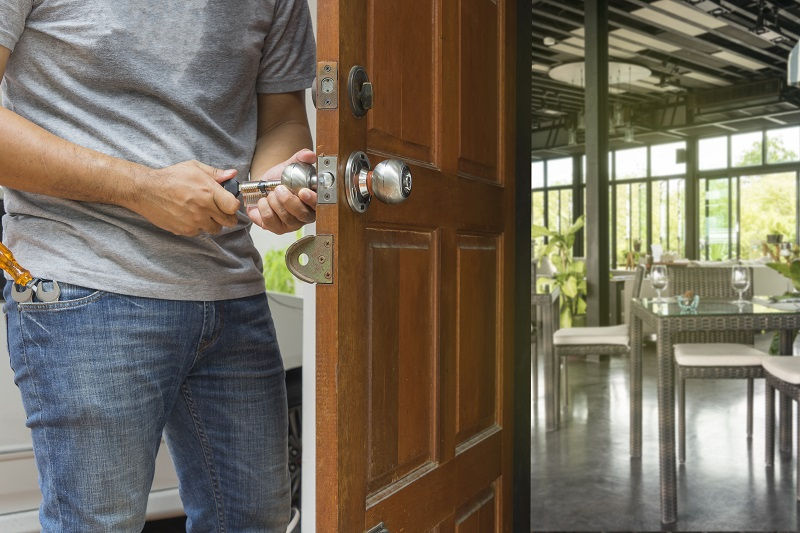
Adding Secondary Locking Mechanisms
Layered security is always smarter than relying on a single point of failure. Consider adding door chains, security bars, or auxiliary locks that provide backup protection. For sliding doors, a simple floor bolt or security bar can prevent the door from being forced open, even if the main lock fails.
These additions don't need to be expensive or complicated. Sometimes the most effective deterrents are the simplest ones – criminals prefer easy targets and will often move on when faced with multiple obstacles.
What Is the Most Secure Type of Lock for a Front Door?
For maximum security, a high-grade deadlock combined with a reinforced strike plate offers excellent protection. Look for locks rated to Australian Standards with features like anti-snap, anti-pick, and anti-bump technology. Mortice deadlocks are particularly effective for solid timber doors, while cylinder deadlocks work well on most standard doors.
Smart Lock Solutions for Modern Homes
Benefits of Keyless Entry Systems
Smart locks have transformed home security, offering convenience alongside protection. No more fumbling for keys in the dark – just use a code, your smartphone, or even your fingerprint. You can grant temporary access to visitors, cleaners, or tradespeople without handing over physical keys.
Many smart locks also provide activity logs, showing exactly when your door was locked or unlocked. This visibility is particularly valuable for families wanting to know when kids arrive home from school.
Are Smart Locks Safer Than Traditional Locks?
The answer isn't straightforward. Quality smart locks from reputable manufacturers offer security comparable to – and sometimes exceeding – traditional locks. They're virtually pick-proof and eliminate the risk of lost or copied keys.
That said, they introduce new vulnerabilities like hacking or battery failure. Choose models with encrypted communication, backup power options, and mechanical key overrides to cover all bases.
Choosing the Right Smart Lock for Your St Kilda Home
Consider your specific needs before purchasing. Do you want fingerprint recognition? App control? Integration with existing home automation systems? Brands like Yale, August, and Schlage offer excellent options suited to Australian conditions.
Importantly, ensure any smart lock you choose is compatible with your door type and thickness. Professional installation is recommended to guarantee everything works correctly and securely.
Window Locks and Sliding Door Security
Securing Vulnerable Entry Points
Doors get most of the attention, but windows and sliding doors are equally attractive to burglars – sometimes more so. Ground-floor windows, hidden side entrances, and balcony doors deserve serious consideration in your security planning.
Start by checking existing window locks. Many standard catches can be forced open with minimal effort. Upgrading to key-operated window locks adds a meaningful layer of protection.
Best Lock Options for Sliding Doors and Windows
For sliding doors, consider track locks, multi-point locking systems, or security pins that prevent the door from being lifted off its track. Double-hung windows benefit from sash locks or key-locking window restrictors.
Don't forget about louvre windows – these are notoriously easy to breach and often require specialist security solutions or replacement with more secure alternatives.
Key Control and Management
The Importance of Restricted Key Systems
Restricted key systems prevent unauthorised key copying, ensuring only you can authorise duplicates. This is particularly valuable for rental properties, shared accommodation, or anyone concerned about key security.
These systems use patented keyways that locksmith cannot copy without proper identification and authorisation. It's an elegant solution to a common vulnerability.
Should I Rekey or Replace My Locks?
If your locks are in good condition and meet security standards, rekeying is often sufficient – and more affordable. This process changes the internal pins so old keys no longer work.
However, if your locks are worn, outdated, or low-quality, replacement makes better sense. A professional locksmith can advise which approach suits your situation.
When to Consider a Master Key System
Master key systems allow one key to operate multiple locks while individual keys only work their designated lock. They're ideal for property managers, business owners, or households wanting simplified access without compromising security.
Professional Lock Assessment and Installation
Why DIY Lock Installation Can Compromise Security
It's tempting to save money with DIY installation, but poorly fitted locks can fail when you need them most. Misaligned deadbolts, inadequate strike plate installation, and incorrect door preparation all create vulnerabilities.
Professional locksmiths bring expertise and proper tools, ensuring your investment in quality hardware actually delivers the protection you're paying for.
How Often Should Residential Locks Be Replaced?
Most security experts recommend replacing locks every 7-10 years, or immediately after moving into a new property, experiencing a break-in, or losing keys. Regular maintenance can extend lock life, but technology and security standards continually evolve.
What to Expect from a Professional Locksmith in St Kilda
A reputable local locksmith will assess your current security, recommend appropriate upgrades, and complete installation to the highest standards. Expect transparent pricing, quality products, and ongoing support.
Additional Security Measures to Complement Your Locks
Security Screens and Door Reinforcement
Quality security screen doors provide an additional barrier, allowing ventilation while maintaining protection. Combined with reinforced door hinges and solid-core doors, your entry points become significantly more resistant to attack.
Integrating Locks with Home Alarm Systems
Modern security works best as an integrated system. Connecting your locks with alarms, cameras, and motion sensors creates layers of protection that deter criminals and alert you to threats immediately.
Taking Action to Protect Your Home
We've covered a lot of ground here – from assessing your current locks to exploring smart technology and professional installation options. The key takeaway? Home security isn't about any single upgrade but rather a thoughtful combination of quality hardware, proper installation, and ongoing vigilance.
Start by evaluating your most vulnerable entry points: front door, back door, ground-floor windows, and sliding doors. Prioritise upgrades based on risk and budget, remembering that even small improvements make a difference. Restricted key systems, reinforced strike plates, and quality deadbolts offer excellent value for most homes.
If you're in St Kilda or surrounding areas and feeling uncertain about where to begin, reach out to a local locksmith for a professional assessment. They'll identify weaknesses you might have missed and recommend solutions tailored to your property and circumstances. Your home is your sanctuary – make sure it's properly protected.


Comments