



Key Benefits of Choosing Forklift Rental Melbourne for Warehouse Operations

Ever found yourself staring at your warehouse floor, wondering whether buying a forklift makes sense for your business? Or perhaps you're dealing with a sudden surge in orders and need extra equipment fast? Maybe you're just tired of watching expensive machinery sit idle during quiet months?
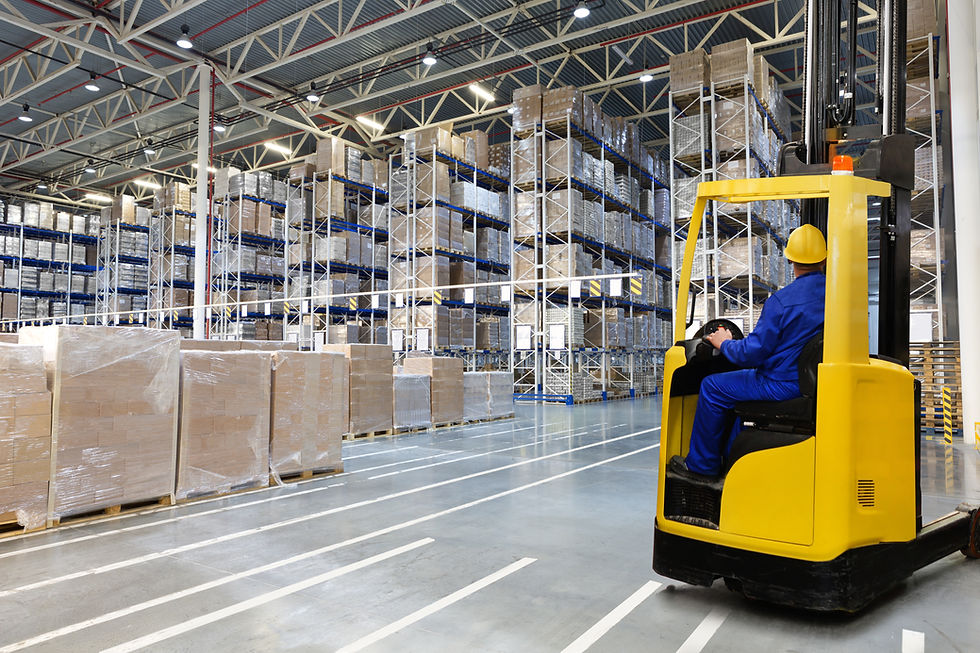
You're not alone. Across Melbourne, warehouse managers and business owners are rethinking how they approach material handling equipment. Instead of purchasing forklifts outright, many are turning to forklift rental Melbourne as a more flexible and financially savvy solution. This shift is transforming how warehouses operate, from small distribution centres in Dandenong to massive logistics hubs in Laverton, by providing businesses with cost-effective access to reliable equipment without the long-term commitment of ownership.
Understanding Forklift Rental in Melbourne

What Is Forklift Hire and How Does It Work?
Forklift hire is straightforward—you pay a regular fee to use equipment owned by a rental company. Think of it like renting a car, but for your warehouse. You select the type of forklift you need, agree on rental terms, and the provider delivers it to your site ready to work.
Most Melbourne rental companies offer flexible arrangements. You might pay weekly, monthly, or for specific project durations. The equipment arrives fully serviced and compliant with Australian safety standards. When you're done, the provider collects it—no need to worry about storage or resale.
Short-Term vs Long-Term Forklift Rental Options
Short-term rentals typically cover anything from a single day to a few months. They're ideal for covering peak periods, handling one-off projects, or replacing broken equipment temporarily. Long-term rentals, on the other hand, extend from six months to several years and often come with better rates.
Choosing between them depends on your situation. If your needs fluctuate throughout the year, short-term flexibility might suit you best. For consistent, ongoing requirements, long-term agreements deliver better value and often include more comprehensive service packages.
Cost Benefits of Renting vs Buying a Forklift
How Much Does It Cost to Hire a Forklift in Melbourne?
Rental costs in Melbourne vary based on equipment type, duration, and provider. Generally, you're looking at anywhere from $200 to $500 per week for standard warehouse forklifts. Long-term agreements typically reduce these rates significantly. Specialised equipment commands higher prices, while basic pallet jacks come in cheaper.
The real value becomes clear when you compare this against purchase prices. A new forklift can cost anywhere from $25,000 to over $100,000, depending on specifications. That's a substantial capital outlay that rental completely eliminates.
Eliminating Upfront Capital Investment
Purchasing equipment ties up significant capital—money that could be working elsewhere in your business. Rental converts this large upfront cost into manageable monthly payments. This preserves your cash flow and keeps your balance sheet healthier.
For growing businesses, this matters enormously. Instead of depleting reserves on machinery, you can invest in inventory, staff training, or marketing efforts that drive growth.
Avoiding Depreciation and Resale Hassles
Forklifts depreciate rapidly—often losing 20-30% of their value in the first year alone. When you rent, depreciation becomes the provider's concern, not yours. You never face the headache of selling used equipment or watching an asset lose value while sitting in your warehouse.
Flexibility and Scalability for Warehouse Operations
Adapting to Seasonal Demand Fluctuations
Melbourne warehouses often experience significant seasonal swings. Retail distribution centres ramp up before Christmas, agricultural suppliers get busy during harvest, and e-commerce operations face peaks around sales events. Rental allows you to scale equipment levels up during busy periods and reduce them when things quieten down.
This flexibility means you're never paying for equipment you don't need. During quiet months, you simply return excess forklifts and reduce your costs accordingly.
Is It Better to Rent or Buy a Forklift for Warehouse Use?
The answer depends on your specific circumstances. If you need consistent, daily forklift use with predictable workloads year-round, ownership might make sense financially over the very long term. However, most warehouses benefit from rental's flexibility, particularly when facing variable demand or uncertainty about future requirements.
Consider your actual usage hours. If a forklift sits idle for significant periods, rental almost always makes better financial sense than ownership.
Maintenance and Servicing Advantages
Who Is Responsible for Forklift Maintenance When Renting?
Here's where rental really shines. In most rental agreements, the provider handles all maintenance and servicing. They schedule regular inspections, perform necessary repairs, and ensure equipment meets Australian compliance standards. Your responsibility typically extends only to basic daily checks and proper operation.
This arrangement removes a significant administrative burden from your team. No need to employ technicians, stock spare parts, or manage service schedules.
Reducing Downtime with Rapid Equipment Replacement
Equipment breakdowns happen. When you own a forklift, repairs might take days or weeks while parts are sourced. With rental, providers typically offer rapid replacement—often within 24 hours. Your operations continue with minimal disruption, and productivity losses stay manageable.
Choosing the Right Forklift Rental Provider in Melbourn
What Should I Look for in a Forklift Hire Company?
Reputation matters enormously. Look for providers with strong track records, positive customer reviews, and transparent pricing. Check they carry comprehensive insurance and maintain their equipment properly. A good provider offers responsive customer service and flexible terms that match your business needs.
Questions to Ask Before Signing a Rental Agreement
Before committing, clarify exactly what's included. Ask about maintenance responsibilities, breakdown response times, and replacement procedures. Understand any penalties for early termination or equipment damage. Get clear answers about delivery costs and minimum rental periods.
Understanding Rental Terms and Conditions
Read the fine print carefully. Pay attention to insurance requirements, usage restrictions, and liability clauses. Make sure you understand what constitutes normal wear versus damage, and confirm what happens if your needs change mid-agreement.
Making the Smart Choice for Your Melbourne Warehouse
Forklift rental offers Melbourne warehouses a compelling combination of financial flexibility, operational adaptability, and reduced administrative burden. From eliminating upfront capital requirements to providing access to well-maintained, modern equipment, the benefits extend across virtually every aspect of warehouse operations.
The decision ultimately comes down to your specific circumstances. Consider your usage patterns, growth plans, and cash flow priorities. For many Melbourne businesses, rental delivers genuine advantages that ownership simply cannot match—particularly when demand fluctuates or uncertainty exists about future requirements.


Comments