



How Dog Boarding Kennels Victoria Help Improve Your Dog's Behaviour and Confidence

Ever ask yourself why your furry mate acts all uneasy as soon as you even think about leaving the house? Or maybe you’ve caught them yanking at the lead like they’re in some unofficial sled attempt, constant “go”. And then there’s the barking, the never-ending kind that makes your neighbours look like they’re trying not to judge you, yeah.
You’re not the only one. A lot of Australian dog owners deal with the same stuff daily, like it’s just part of life. The thing is, there’s some relief quietly happening, and it’s been moving through dog boarding kennels Victoria for a while now. Those places aren’t only about dropping off your pup while you’re away. These days, they often run training programs that can reshape behaviour and build confidence in a way you might not expect at first.
In this post we’re going to unpack how dog boarding and training Melbourne setups work, what kinds of issues they tend to target, and how the programs help your dog feel steadier. We’ll also talk through how to tell if this kind of boarding is the right fit for your four-legged household member. And yeah, we’ll cover what to look for when choosing alpha boarding kennels, plus keep expectations realistic. So let’s get into it.
What Is a Dog Boarding School and How Does It Work?
The Difference Between Standard Boarding and Training-Focused Boarding
Think of standard boarding like a friendly pet hotel. Your dog eats, gets walks, and is cared for while you’re out. That’s great for short trips, but it usually doesn’t do much about any deeper behavioural problems.
A dog boarding school Melbourne style facility, however, mixes accommodation with coaching. Your dog isn’t only looked after, they’re taught. Trainers work with your pup during the day, reinforcing commands, reducing unwanted habits, and helping them develop basic, everyday skills.
So, when you pick them up, they’re not just tired in a good way, they come back with noticeable improvement. Like, this is the difference between “holiday” and “actually changing things”.
What Happens During In-Kennel Dog Training?
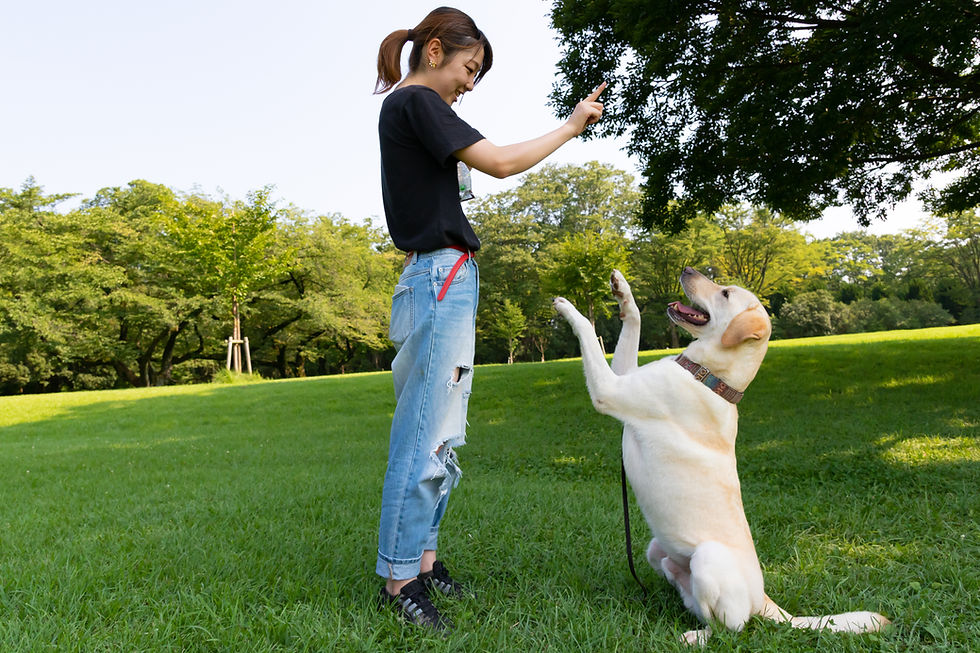
During in kennel dog training, your dog follows a clear daily plan. Usually, mornings kick off with physical activity, then structured sessions aimed at specific goals, recall, better lead manners, or impulse control, that sort of thing.
Most trainers lean on positive reinforcement, meaning your dog learns what you want rather than getting hammered for mistakes. The training also gets practised in real scenarios—walking by other dogs, settling when things get busy, and responding even when there are distractions around.
And usually you get updates, so you’re not guessing all the time. Before you collect your dog, there’s commonly a handover chat too, where they show you how to continue the same routine back home.
Common Behavioural Issues That Dog Boarding and Training Melbourne Can Address
Excessive Barking and Reactivity
Does your dog lose it every time someone walks past the gate or fence? Excessive barking and reactivity show up constantly, and they often come from frustration, fear, or just being overly pumped up. Dog training boarding Melbourne programmes aim to address this directly.
Trainers focus on impulse control, plus teach alternate actions. Instead of letting your pup bark at every moving thing, they practise looking to you for cues and direction. That simple shift can make a huge difference on day-to-day walks, and it helps your peace of mind come back.
Separation Anxiety and Destructive Behaviour
No one wants to come home to chewed furniture or doors that look like they survived a war. Separation anxiety can be brutal for dogs, and for humans too. A pet training kennel setting may help by slowly increasing your dog’s comfort with being alone.
With the routine and constant positive activity, anxious dogs can start learning that alone time doesn’t have to be scary. Over time, they tend to build confidence and practise self-settling, and honestly that’s one of those skills that helps them for life.
Leash Pulling and Poor Recall
Walks should be relaxing, not a tug of war every five minutes. Lead pulling and unreliable recall are among the top complaints from owners. They can turn exercise into stress, and yes, they can become risky depending on where you walk.
Boarding and training programmes handle this with repeat practice. Your dog learns that moving calmly beside you is worth it, and that coming back when called results in good outcomes, not punishment or chaos. Once they build that base, future walks usually start improving fast.
Fear-Based Aggression and Nervousness
Some dogs show “aggression” that really isn’t aggression, it’s fear showing up sideways. Growling, snapping, lunging—often it’s because they’re terrified. A dog obedience boarding school environment can use safe, controlled exposure to triggers, without dumping your pup into the deep end.
Trainers move at your dog’s pace, never forcing progress faster than they can handle. Little by little, your pup learns that scary things aren’t always so scary, and confidence starts growing more naturally.
How Does Dog Training Boarding Melbourne Build Your Dog's Confidence?
Sort of structured routines, with steady boundaries
Dogs’ kind of thrive on, predictability. When they know what’s coming, they feel safer, not on edge. In dog boarding and training Melbourne places, you usually get that kind of clear routine, plus the same rule’s day after day.
Your dog starts to connect certain behaviours with certain results, like it’s always the same song and you already know the lyrics. That helps lower worry and makes them bolder in all sorts of moments. They’re not constantly guessing or trying to “figure it out” on their own.
Socialisation, with other dogs and people
Confidence isn’t just about training; it’s also about socialisation. Alpha boarding kennels often do introductions with other dogs and multiple handlers, in a controlled, positive way (so it’s less chaos). This helps teach social skills that actually fit real life, and it can help a nervous dog gradually show up more.
They also learn that fresh dogs aren’t automatically a threat, and new people can be friendly, even fun. Over time, those small wins can show up at dog parks, or when visitors arrive at your home, and it’s like your dog handles it calmer.
Gradual exposure to new environments and experiences
Confidence is basically built from what they’ve tried before. The better experiences your dog collects, the more “sturdy” they become emotionally. Boarding facilities often introduce dogs to different flooring, sounds, and everyday situations they may not see at home.
That kind of controlled exposure can help your dog become more adaptable. They start realizing, new things aren’t always scary or dangerous. And honestly, that makes them more relaxed in unfamiliar situations across their whole life too.
Is a Dog Obedience Boarding School Right for Your Pet?
When boarding training is a good idea
If you’re unsure whether this is the right next step, take a breath and think about your current setup. Consider boarding training if you’re dealing with multiple behavioural issues, you’ve already tried training classes with no big progress, or you just don’t realistically have time for intensive daily work.
Reactive dogs, anxious dogs, or dogs that have never had real structured training often do see noticeable improvements. It can be super helpful for busy families too, because you get a properly trained routine without needing months of weekly classes on your calendar.
What to look for in a Quality Dog Boarding School Melbourne
Quality matters a lot here. A solid dog boarding school Melbourne should provide clear training methods, trained staff, and facilities that are clean and safe. You should also receive regular check-ins, and ideally video updates showing how your dog is progressing.
Expect a proper intake assessment at the start, plus honest conversations about what’s realistically achievable for your dog. Avoid any place that promises instant results or leans on aversive techniques.
Puppy Boarding School Near Me: Starting Training Early
Why puppy training lays the groundwork
Searching puppy boarding school near me? Starting early is honestly one of the smartest investments you can make. Puppies are like little sponges, they absorb everything, and the early experiences set patterns for later adult behaviour.
When a puppy gets consistent training, they grow into a more balanced adult dog. The confidence and good habits from puppyhood tend to stick around for life. Also, preventing problems is usually easier than trying to solve them once they’re fully formed, it’s just less stressful.
What age should a puppy start boarding training?
Most facilities will accept puppies around four months old, after vaccinations are done. That timing often lines up nicely with their critical socialisation window, which is important.
Still, every pup is different. It’s best to talk with the trainers about your specific situation, so you can figure out the safest and best timing for your young dog.
What Should You Look for in Alpha Boarding Kennels?

Qualifications and Training Methods
When you’re looking into alpha boarding kennels, I’d start with the trainer qualifications first, like straight away. Check for certifications from recognised bodies and see whether they do ongoing education. Also ask, like really ask, what the training methods are. You want positive reinforcement as the core, not some vague “balance” talk.
And if the facility can’t clearly explain what they do, or they get a bit defensive every time you ask, that’s honestly not great. Transparency is, kind of, non-negotiable.
Facility Standards and Daily Care
Go and visit before you book, even if it feels like a hassle. Look at kennel sizes, the cleanliness, and the outdoor spaces, too. Ask how the day runs… daily routines, exercise, and how they handle veterinary protocols if anything happens. Your dog’s physical wellbeing matters just as much as the training outcomes.
The better facilities usually welcome your visit, and they’ll happily show you around. If they try to block you, or you feel discouraged, that’s a red flag in my book.
Understanding Alpha Boarding Kennels Reviews
Alpha boarding kennels reviews can be super helpful, but don’t take them at face value. Read them critically, try to spot patterns instead of focusing on one random complaint. Also check how they respond to negative feedback—if they answer professionally, it usually means they take responsibility.
Good reviews often mention concrete changes and timelines that feel realistic. Watch out for reviews that sound too perfect, or ones that are so vague you can’t really tell what happened.
Conclusion:
So, there you have it, a full view of how dog boarding kennels Victoria can genuinely help shift your dog’s behaviour and confidence. Whether you’re dealing with anxiety, reactivity, or just overall nervous energy, these programs can support resilience through socialisation and routine. It’s not just “a place to stay”, it’s something that can feel truly meaningful.
The main takeaway is this: it’s not only about convenience. It’s an investment in your dog’s quality of life, and honestly, your bond with them too. A calm confident well-behaved dog tends to be safer, and way more enjoyable for everyone at home.
If you’re thinking about this route for your furry friend, do your research properly. Visit the place, ask lots of questions, and read reviews with your brain turned on. When you find the right alpha boarding kennels with qualified trainers and transparent methods, you’re giving your dog a real chance at success. And in the long run, your future self—plus your more confident, better-behaved pup—will absolutely notice it!



Comments