



Best Portable Medical Privacy Screens in Melbourne: Why Aussie Clinics Are Switching Fast

Melbourne’s medical spaces are moving toward portable medical privacy screens because they give clinics the flexibility to re‑configure rooms on the fly while staying on the right side of the Privacy Act 2026. In this guide I’ll walk you through the top specs the regulations that matter and the local suppliers that can get you set up without a hitch. You’ll see how a fold‑out powder‑coated frame with 50 mm castors can cut down on infection risk help a meet NDIS eligibility and keep your waiting rooms functional during a rainy winter or a busy summer day.
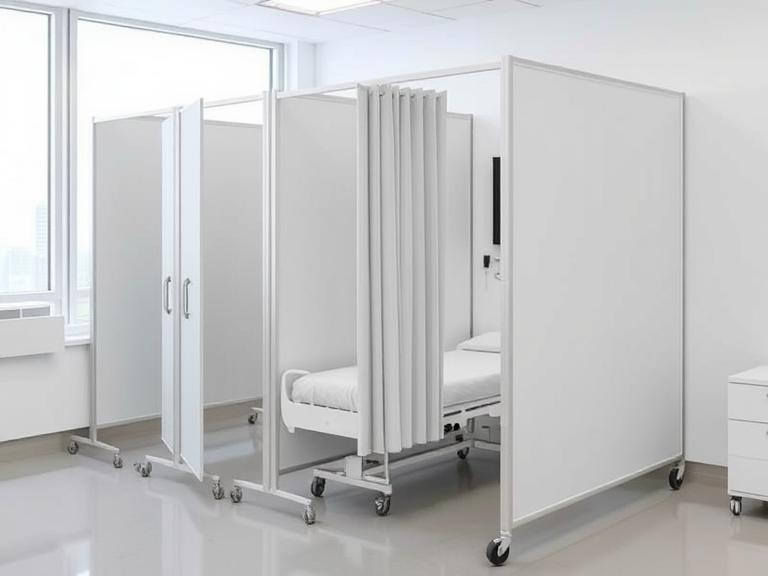
Why Melbourne Clinics are Choosing Portable Medical Privacy Screens
From what I’ve seen the push comes from three main pressures: space constraints infection‑control mandates and the need for quick re‑configuration during flu season. In a city where many practices sit in heritage buildings with narrow corridors a fixed wall partition just won’t fit. A portable solution lets a GP in Brighton pop a screen between two beds in seconds then fold it away for a community vaccination clinic next door.
In my experience, the biggest win is the ability to adapt to patient volume spikes. When a sudden outbreak hits the east side of the CBD, the Royal Melbourne Hospital can deploy a row of screens across a hallway in under ten minutes, creating temporary isolation zones without any permanent construction — That speed translates into fewer bottlenecks & a calmer staff team.
Key Features to Look For in 2026
Here’s what you should check before you sign off on a purchase. The panels usually come in 1200 mm × 800 mm unfolded size, folding down to a compact 300 mm width for storage. Look for a stainless‑steel frame with a powder‑coated finish – it resists rust in Melbourne’s humid spring and won’t chip when you tumble it down stairs.
● Weight under 12 kg per panel, making one‑person transport feasible.
● 50 mm swivel casters with a lock‑in‑place mechanism for smooth rolling on linoleum or carpet.
● Block‑out curtains made from antimicrobial fabric, tested to meet Australian Standard AS 4285.
● Integrated privacy lock that clicks into place without a key, good for quick turnover.
And the accessories matter too. You can add a side‑panel extension for a 3‑fold configuration, or a ceiling hook system for loft‑style storage in a multi‑level clinic. The optional branding panel lets you slap your logo on the curtain, a nice touch for community health centres that want to reinforce trust.
Compliance with Australian Privacy and Infection‑Control Standards
Honestly, the legal side is where many clinics trip up. The Privacy Act 2026 requires that any patient discussion be shielded from unintended ears, and portable medical privacy screens give you a physical barrier that’s easy to audit. In addition, the Australian Commission on Safety and Quality in Health Care (ACSQHC) recommends that any movable partition be easy to clean and have a non‑porous surface.
● ISO 9001 for quality management, ensuring consistent production.
● ISO 45001 for occupational health and safety – the screens won’t tip over in a high‑traffic ward.
● ISO 14001 for environmental management – many suppliers use low‑VOC powder coating.
● AS 2544 for fire safety – the fabric must pass a 30‑minute flame‑resistance test.
What typically happens is that a clinic’s infection‑control officer will run a wipe‑down test with a hospital‑grade disinfectant like 0.5 % chlorine solution — Like, the antimicrobial curtain should retain its barrier after at least 500 cycles, which most 2026 models guarantee.
Practical Installation, Mobility and Storage Tips...
Here’s what I tell people when they’re setting up a new ward. First, lay out the casters on a flat surface and lock them before you raise the panel. The hinge mechanism is a simple fold‑over; you’ll hear a click when the frame locks into place. If you’re on a second‑floor clinic with a narrow stairwell, use the built‑in hand‑grip to slide the folded screen down the banister – the 300 mm profile fits through most residential doors in Melbourne’s inner suburbs.
● For ceiling storage, install a 150 mm‑wide hook bracket at a height of 2.2 m; the screen slides in & out like a coat rack.
● When you need to move a row of screens, attach a small trolley with a 150 kg rating – it rolls over the old brickwork in the Fitzroy Medical Centre’s basement without scratching.
● Lock the casters when the screen is stationary to prevent accidental movement during a patient transfer.
And don’t forget the cleaning routine. Wipe the frame with a mild detergent after each patient use, and launder the curtain in a commercial washer at 60 °C — The antimicrobial treatment stays effective for up to two years, after which a re‑coating service is available through most suppliers.
Selecting the Right Model for Different Clinical Settings...
General Practitioner Clinics...
In a typical GP practice in South Yarra, you’ll see 2‑fold screens used to separate consultation bays. The compact size keeps the waiting room airy, while the block‑out curtain gives patients a sense of privacy for sensitive conversations. Look for a model with a 1500 mm height – that matches the average ceiling in a renovated terrace house.
Hospital Emergency Departments
Emergency departments need durability and quick set‑up — A 3‑fold multi‑panel system with reinforced steel brackets is the go‑to. The extra panel lets you create a semi‑enclosed triage area that still allows staff to see the patient’s vitals at a glance.
Home‑Care & NDIS‑Supported Services
For home‑care providers delivering services to clients in the outskirts of Melbourne, a lightweight, single‑panel screen that folds into a 30 cm suitcase is ideal. The screen can be carried in a standard van and set up in a client’s living room without any permanent alteration to the space.
Leading Suppliers and How to Get a Quote in Melbourne
When you’re ready to buy, the local market offers a handful of reputable suppliers. Melbourne‑based “HealthGuard Screens” ships free within the metropolitan area for orders over 15 units & can help you navigate NDIS funding eligibility. Like, another player, “safespace solutions”, provides a 24‑hour “quote‑by‑video” service – you show them your floor plan on a zoom call, and they send a detailed spec sheet.
● Contact HealthGuard at 03 9675 1234 for a quick phone quote.
● SafeSpace’s web portal lets you upload a PDF of your clinic layout and receive a PDF quote within 12 hours.
● Both companies offer a 12‑month warranty covering frame defects and fabric wear.
And if you’re a public hospital, the Victorian Department of Health maintains a preferred‑supplier list that includes “AussieScreen Co.” Their bulk‑order process includes on‑site training for staff on assembly and cleaning protocols.
Conclusion
Portable medical privacy screens are becoming the default choice for Melbourne’s clinics hospitals and home‑care teams because they blend flexibility compliance and durability. Here's the thing: by picking a screen with a powder‑coated steel frame antimicrobial curtains and lockable casters you’ll meet the privacy act 2026 australian infection‑control standards and the practical demands of a city that swings from cool damp winters to hot dry summers. Reach out to a local supplier request a quote and you’ll have a solution that can be folded rolled and stored without compromising patient confidentiality or staff safety.


Comments